
How Automated Trading is Transforming Financial Markets
Crypto Market Security and Ethics
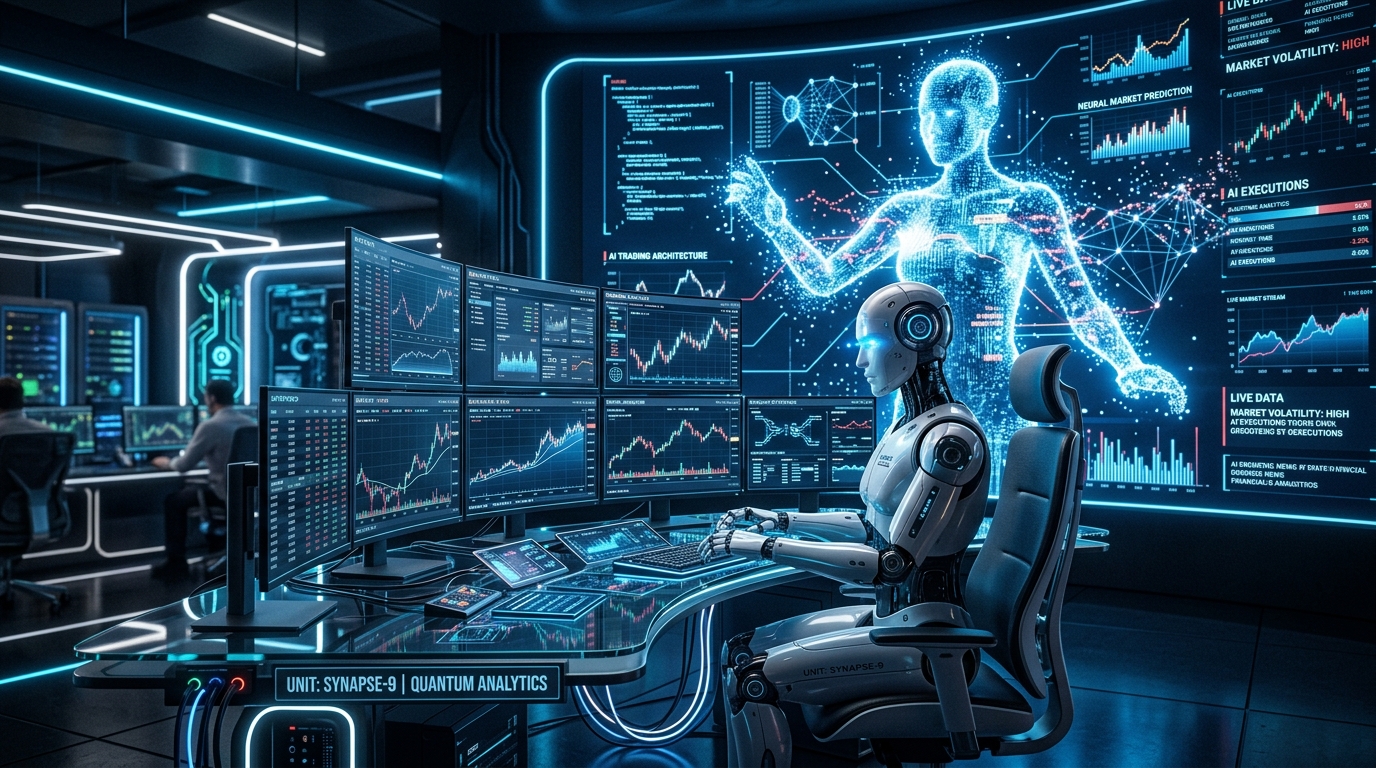
वित्तीय बाजारों में स्वचालन व्यापार के तरीके को नाटकीय रूप से बदल रहा है। एल्गोरिदमिक व्यापार से लेकर जटिल मशीन-लर्निंग मॉडलों के विकास तक, स्वचालित व्यापार प्रणाली संस्थागत और खुदरा व्यापारियों के लिए अनिवार्य बन गई हैं। इस लेख में, हम देखेंगे कि स्वचालित व्यापार कैसे वित्तीय बाजारों को बदल रहा है, इसकी प्रमुख तकनीकें, रणनीतियाँ, लाभ, चुनौतियाँ और इस क्रांति के चारों ओर नैतिक विचार क्या हैं।
स्वचालित व्यापार का परिचय
स्वचालित व्यापार का तात्पर्य कंप्यूटर सिस्टम के उपयोग से है जो पूर्व-प्रोग्राम किए गए एल्गोरिदम के आधार पर मानव हस्तक्षेप के बिना व्यापार निष्पादित करते हैं। ये सिस्टम वास्तविक समय में बाजार डेटा का विश्लेषण करते हैं और उस गति और सटीकता से निर्णय लेते हैं जो मानव व्यापारियों के लिए संभव नहीं है। स्वचालित व्यापार का इतिहास 1970 के दशक के अंत में सरल नियम-आधारित प्रणालियों से शुरू होता है, जो अब कृत्रिम बुद्धिमत्ता (एआई) और मशीन लर्निंग को शामिल करने वाले जटिल प्लेटफार्मों में विकसित हो चुका है।
स्वचालित व्यापार में प्रौद्योगिकी की भूमिका
Technological advancements have played a pivotal role in the evolution of automated trading in India. The integration of artificial intelligence and machine learning empowers trading platforms to adapt continuously, uncovering trends and refining strategies over time. High-frequency trading (HFT) innovations, which facilitate the execution of numerous trades within seconds, have transformed the landscape by taking advantage of slight price variations. Moreover, the advent of cloud computing, extensive data analytics, and enhanced network capabilities has allowed traders to implement these sophisticated algorithms globally, engaging with financial markets around the clock with minimal delays.
Understanding the Functionality of Automated Trading Systems
Automated trading systems are designed using algorithms—comprehensive sets of rules and directives programmed in various coding languages. These systems can vary from basic rule-based strategies, such as initiating a buy order when a stock surpasses a designated price point, to intricate AI-driven frameworks that analyze historical data to forecast future price trends.
Categories of Automated Trading Systems Include:
- Rule-Based Trading Systems: Carry out trades according to specific, pre-established conditions.
- AI-Enabled Trading Solutions: Evolving through continuous learning, these systems enhance performance by processing vast amounts of market data.
- Integrated Trading Approaches: Merging traditional strategies with AI techniques to maximize trading effectiveness and adaptability.
- blog_three_question_4.subtitle_4: blog_three_question_4.desc_4
Varieties of Automated Trading Techniques
Each method utilizes advanced algorithms, necessitating meticulous calibration and proactive risk oversight.
Automated trading employs various strategies tailored to market dynamics and investor objectives. Notable examples include:
- Arbitrage Techniques: These take advantage of price discrepancies between different markets or exchanges.
- Momentum Trading Approaches: These concentrate on capitalizing on market trends, buying during upward movements and selling during declines.
- Reversion to Mean Strategies: Leverage the expectation that asset prices will return to their average levels following notable fluctuations.
- Liquidity Provisioning Techniques: Earn from the difference between buying and selling prices by executing simultaneous orders.
Advantages of Algorithmic Trading
**Unlocking Financial Freedom through Crypto Trading** In the bustling streets of Mumbai, where dreams and aspirations intertwine, a new wave of financial opportunity is sweeping across India. Imagine a world where your investments can grow exponentially, transcending traditional barriers. This is the promise of crypto trading with Capiturex. As you navigate through this digital landscape, you’ll discover the potential to trade in cryptocurrencies like Bitcoin and Ethereum, offering you the chance to earn profits that were once thought unattainable. With 24/7 access to the markets, you can seize opportunities as they arise, whether you're sipping chai at a roadside stall or commuting on the local train. What sets Capiturex apart is its user-friendly platform designed for both seasoned traders and newcomers alike. With real-time data and intuitive tools at your fingertips, making informed decisions becomes second nature. The thrill of watching your portfolio grow, coupled with the community support from fellow traders, creates an exhilarating environment that fosters learning and growth. Join the ranks of savvy investors who are harnessing the power of cryptocurrency to build wealth and secure their financial futures. With Capiturex, the journey into the world of crypto trading is not just about numbers; it’s about transforming lives and creating a legacy for generations to come.
Algorithmic trading presents numerous benefits compared to traditional methods. Notable advantages include:
- गति और दक्षता: कंप्यूटर व्यापार को मानवों की तुलना में कहीं अधिक तेजी से निष्पादित कर सकते हैं, अवसरों का लाभ उठाते हुए जो जल्दी खत्म हो सकते हैं।
- मानव त्रुटियों में कमी: स्वचालित प्रणाली भावनात्मक निर्णय लेने और संज्ञानात्मक पूर्वाग्रहों को समाप्त करती है, जिससे परिणाम अधिक स्थिर होते हैं।
- 24/7 बाजार पहुंच: ये प्रणाली निरंतर कार्य कर सकती हैं, यह सुनिश्चित करते हुए कि व्यापारी कभी भी किसी बाजार के अवसर को नहीं चूकते।
- Backtesting and Enhancement: Traders can simulate their strategies with past market data, refining them to boost efficacy while reducing potential hazards.
Dangers and Hurdles of Automated Trading
In the vibrant world of cryptocurrency, Capiturex emerges as a beacon for aspiring traders in India. Picture this: a platform that not only simplifies the complex landscape of digital currencies but also empowers you to seize financial opportunities at your fingertips. With real-time market analysis and user-friendly tools, even those new to trading can navigate with confidence. Imagine waking up to the thrill of watching your investments grow, all while being part of a global community that shares insights and strategies. Whether you're looking to diversify your portfolio or explore innovative trading options, Capiturex offers seamless access to a plethora of cryptocurrencies. The beauty lies in its educational resources—think webinars and tutorials tailored for Indian traders, ensuring you’re equipped with the knowledge to make informed decisions. As you delve into the dynamic world of crypto, Capiturex stands by your side, guiding you through every twist and turn of the market. Embrace the future of finance and let your trading journey begin!
Though automated trading brings numerous advantages, it also carries inherent risks. The main hurdles include:
- Risks from Market Fluctuations: Automated trading systems can heighten market instability, particularly during sudden market downturns or flash crashes, where swift and extensive sell-offs may spiral uncontrollably.
- Sudden Market Crashes: In the year 2010, a market event triggered by algorithms resulted in an abrupt decline, erasing billions in mere moments.
- System Malfunctions: Technical glitches, service interruptions, or flaws in programming can lead to substantial financial setbacks.
- blog_three_question_7.subtitle_4: blog_three_question_7.desc_4
The Influence of Algorithmic Trading on Global Financial Markets
स्वचालित व्यापार ने बाजार में तरलता और दक्षता को महत्वपूर्ण रूप से बढ़ा दिया है। यह व्यापार को तेजी से और अधिक बार करने की अनुमति देकर, विभिन्न संपत्ति वर्गों में तरलता में सुधार करता है। हालांकि, मानव व्यापारियों की भूमिका कम होती जा रही है, क्योंकि मशीनें उन कार्यों को संभाल रही हैं जो पहले मैन्युअल रूप से किए जाते थे, जिससे वित्तीय क्षेत्र में नौकरी का बाजार बदल रहा है।
विभिन्न संपत्ति वर्गों में स्वचालित व्यापार
स्वचालित व्यापार प्रणाली बहुपरकारी हैं और विभिन्न बाजारों में काम करती हैं, जिनमें शामिल हैं:
- शेयर: शेयर व्यापार एल्गोरिदम सबसे विकसित में से एक हैं, जिनका उपयोग हेज फंडों और व्यक्तिगत व्यापारियों दोनों द्वारा किया जाता है।
- विदेशी मुद्रा: Automated trading systems have revolutionized the cryptocurrency landscape, swiftly adapting to market fluctuations and news events.
- Raw Materials: From precious metals to energy resources, raw materials markets leverage algorithmic trading to capitalize on price movements and market inefficiencies.
- Digital Currencies: The dynamic and round-the-clock nature of digital currencies makes them ideal for automated trading solutions that can quickly react to market shifts.
Regulatory Hurdles and Insights
The regulation of automated trading is essential for maintaining market integrity in India. Authorities such as SEBI are continuously updating guidelines to address the rapid advancements in technology. As AI-driven trading systems evolve, regulators must navigate the complexities of these innovations while ensuring ethical practices and preventing any form of market manipulation by algorithms.
How Institutional Investors Utilize Automated Trading Strategies
In India, institutional investors like mutual funds and large financial firms are increasingly adopting automated trading systems to enhance their investment strategies. Quantitative analysts, known as 'quants,' craft advanced models that leverage AI and extensive data analytics, allowing them to surpass conventional trading techniques. Many successful funds attribute their performance to these automated systems, transforming the landscape of investment.
Automated Trading Opportunities for Retail Investors
The rise of automated trading has opened new avenues for retail investors across India. User-friendly platforms like Zerodha and Upstox now provide access to trading bots, enabling individuals to automate their trades effortlessly. Additionally, social trading networks empower users to replicate the tactics of seasoned traders, while custom trading bots can be developed or purchased to align with personal trading strategies.
The Future Landscape of Automated Trading
As artificial intelligence and machine learning progress, the complexity of automated trading platforms will also advance. Emerging technologies like quantum computing, while still developing, promise to transform trading by enabling the swift processing of vast datasets. In the coming years, automation is poised to take a more prominent role in financial markets, minimizing reliance on human traders.
Ethical Implications of Automated Trading
Transparency plays a vital role in maintaining fairness in automated trading. It is essential for algorithms to be crafted in a manner that prevents market manipulation and guarantees equal opportunity for all market participants. Striking a balance between the advantages of automation and the necessity for ethical conduct in trading remains a persistent challenge for both regulators and investors.
Insights from Automated Trading Case Studies
- The 2010 Flash Crash: This incident underscored the risks associated with automated trading systems, where algorithmic triggers led to a rapid series of sell-offs, resulting in a dramatic market decline within a matter of minutes.
- Success Narratives: Investment firms such as Quant Capital and AlphaWave have harnessed the power of AI-driven trading tools to consistently surpass market expectations, redefining success in finance.
Common Inquiries (FAQs)
- 1. What is algorithmic trading? Algorithmic trading involves utilizing computer algorithms to perform trades automatically, minimizing the need for manual oversight.
- 2. What distinguishes high-frequency trading from standard trading? High-frequency trading entails executing numerous trades in the blink of an eye, leveraging minor fluctuations in market prices.
- 3. Is automated trading completely devoid of risk? Not entirely; although automated trading minimizes human errors, it is still susceptible to risks like technical glitches and unpredictable market shifts.
- 4. Can individual investors engage in automated trading? Absolutely, various platforms empower individual investors to develop or implement automated trading methodologies.
- 5. In what ways do regulators oversee automated trading activities? Regulatory authorities employ a blend of oversight mechanisms, including real-time monitoring systems and structured compliance frameworks.
- 6. Which technologies are essential for automated trading? Essential technologies encompass artificial intelligence, machine learning, cloud infrastructure, and high-speed connectivity.
Conclusion: The Transforming Dynamics of Financial Markets through Automation
Automated trading is reshaping financial landscapes, delivering enhanced efficiency, rapid trade execution, and advanced strategies. As AI, machine learning, and quantum computing progress, the future of automated trading will hinge on its capacity to innovate while upholding market integrity.